
Anti-Inflammatory Eating: What Cooling the Fire Really Involves
Anti-inflammatory diets are everywhere, fuelled by talk of 'inflammaging.' An honest look at what an anti-inflammatory pattern actually is, what the evidence genuinely supports, what's overstated, and a sane, sustainable way to approach it.
May 19, 2026 · By The Editors, Healing Stories Network · 3 min read
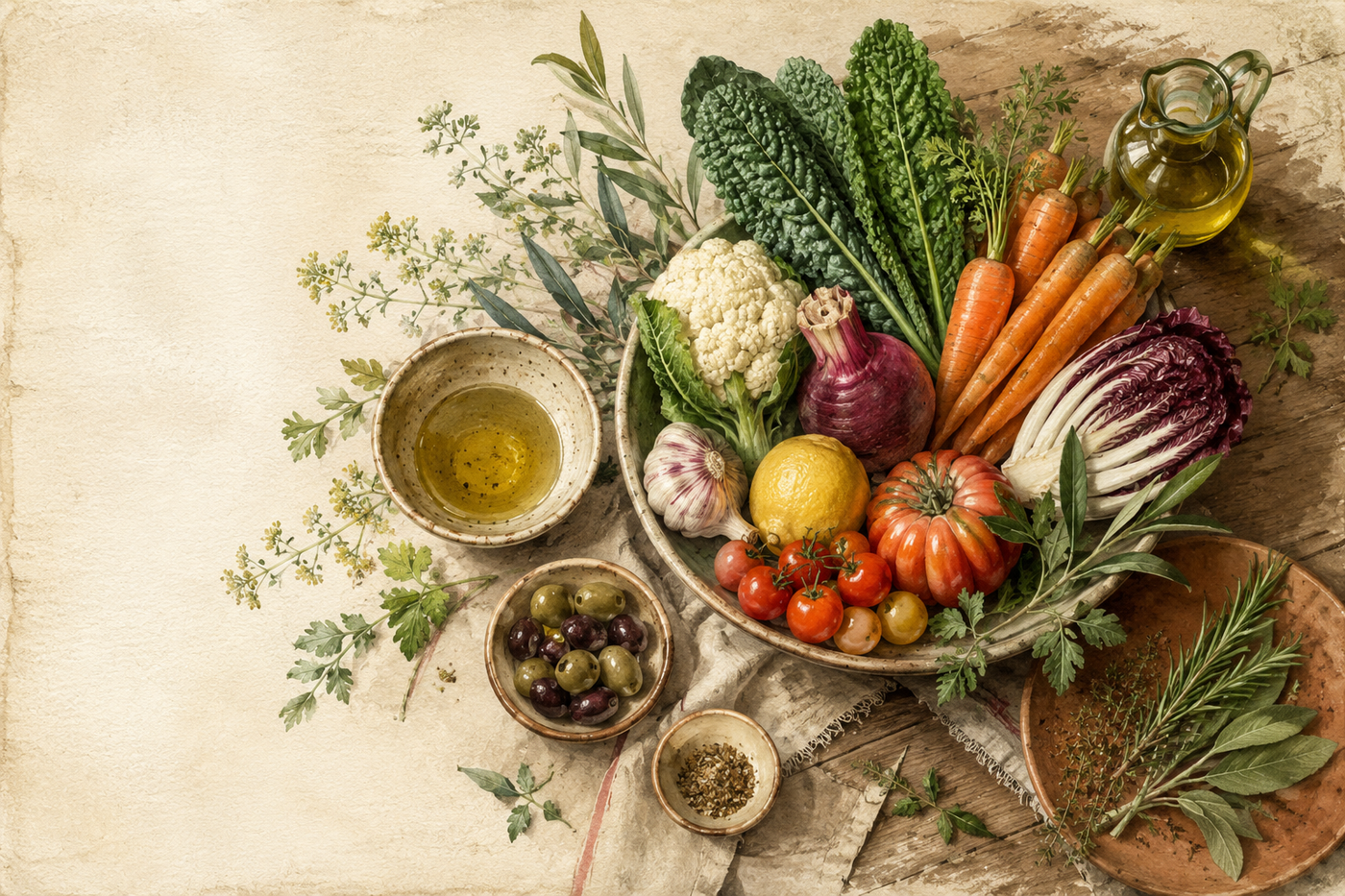
Anti-inflammatory eating has become one of the most popular ideas in nutrition, propelled by growing talk of inflammaging, the notion that a slow, chronic, low-grade inflammation builds up as we age and feeds many of the diseases that come with it. The promise is that the right way of eating can cool that fire. As ever, some of this is well grounded and some is wishful, and the useful version is a good deal calmer than the marketing. This is an honest look at what anti-inflammatory eating really involves, drawn from the accounts in our Nutrition & Dietary Changes collection.
Nothing here is medical advice. Diet affects everyone differently, and a doctor or registered dietitian is the right guide if you have a health condition.
The idea behind it
Inflammation in itself is not the enemy; the short-term kind is the body's healthy defence against injury and infection. The concern is the chronic, low-grade sort that can simmer in the background and has been linked to heart disease, type 2 diabetes, and other conditions, as well as to the ageing process, the idea captured by the word inflammaging. The appeal of being able to influence that quietly, through everyday food, is obvious, and it rests on a real area of science, even if that science is routinely oversimplified into slogans.
What an anti-inflammatory pattern actually is
The most important thing the accounts get right is that this is not a list of magic superfoods but a whole way of eating, and that way looks remarkably like the long-studied Mediterranean pattern. It leans on plenty of vegetables and fruit, fibre, beans and lentils, whole grains, nuts, olive oil and other healthy fats, oily fish, and generous use of herbs and spices, while easing back on heavily ultra-processed foods, excess added sugar, and too much alcohol. The pattern as a whole is what matters, far more than any single celebrated ingredient.
What is genuinely supported
There is good evidence that this overall style of eating supports heart and metabolic health and is associated with better long-term outcomes. That benefit is real, which is what gives the trend its legitimate core. But it comes from the whole diet sustained over time, not from a single turmeric latte or a handful of berries bolted onto an otherwise poor diet. The unglamorous truth is that an anti-inflammatory diet and simply eating well are nearly the same thing.
What is overstated
Around that core sits a familiar layer of hype: the suggestion that particular foods or expensive supplements dramatically slash inflammation, rigid lists of forbidden foods presented as gospel, and the claim that diet alone can cure inflammatory disease. The more extreme protocols promise precision that food simply does not deliver. A sceptical eye serves you well here, especially toward anything that markets a single product as the answer or demands joyless perfection.
A sane way to approach it
The approach the steadier accounts describe is to add before you subtract: more vegetables, more fibre, more fish, more cooking from scratch, rather than an anxious list of bans. Small, sustainable shifts tend to beat dramatic overhauls that collapse within a month. Because the pattern overlaps so heavily with general good eating, it rewards flexibility over rigidity, and it leaves plenty of room for pleasure and for the foods that make meals worth sharing.
The honest harder side
For balance, an anti-inflammatory diet is not a cure for serious disease and should never replace medical treatment for one. Responses are individual, and what helps one person may do little for another. It is also worth naming that a rigid pursuit of eating to fight inflammation can tip into restrictive or joyless eating, which serves no one and can do real harm; sustainability and balance matter more than purity. And some conditions call for specific dietary guidance that a professional, not an article, should provide.
Company for the curious
If you are drawn to eating in a way that supports long-term health, it helps to hear from people who have actually changed how they eat, rather than from another list of rules. Cooling the Fire gathers fifty first-person accounts of moving toward an anti-inflammatory way of eating, the realistic wins and the wrong turns alike. Our companion piece on gut health and the microbiome sits naturally alongside it, and you will find more across our wider Nutrition & Dietary Changes collection.
The Reading Room shares lived experience and is not medical advice. A doctor or registered dietitian is the right guide if you have a health condition; diet can support good health but does not replace medical care.
The Reading Room publishes personal stories and editorial notes from our press. Everything here is companion reading — never medical advice, diagnosis, or treatment. For guidance about your own health, please speak with a qualified clinician.