
Living With Endometriosis: An Honest Companion
The years-long road to a diagnosis, the pain that is more than a bad period, and what people living with endometriosis say genuinely helps.
June 25, 2026 · By The Editors, Healing Stories Network · 4 min read
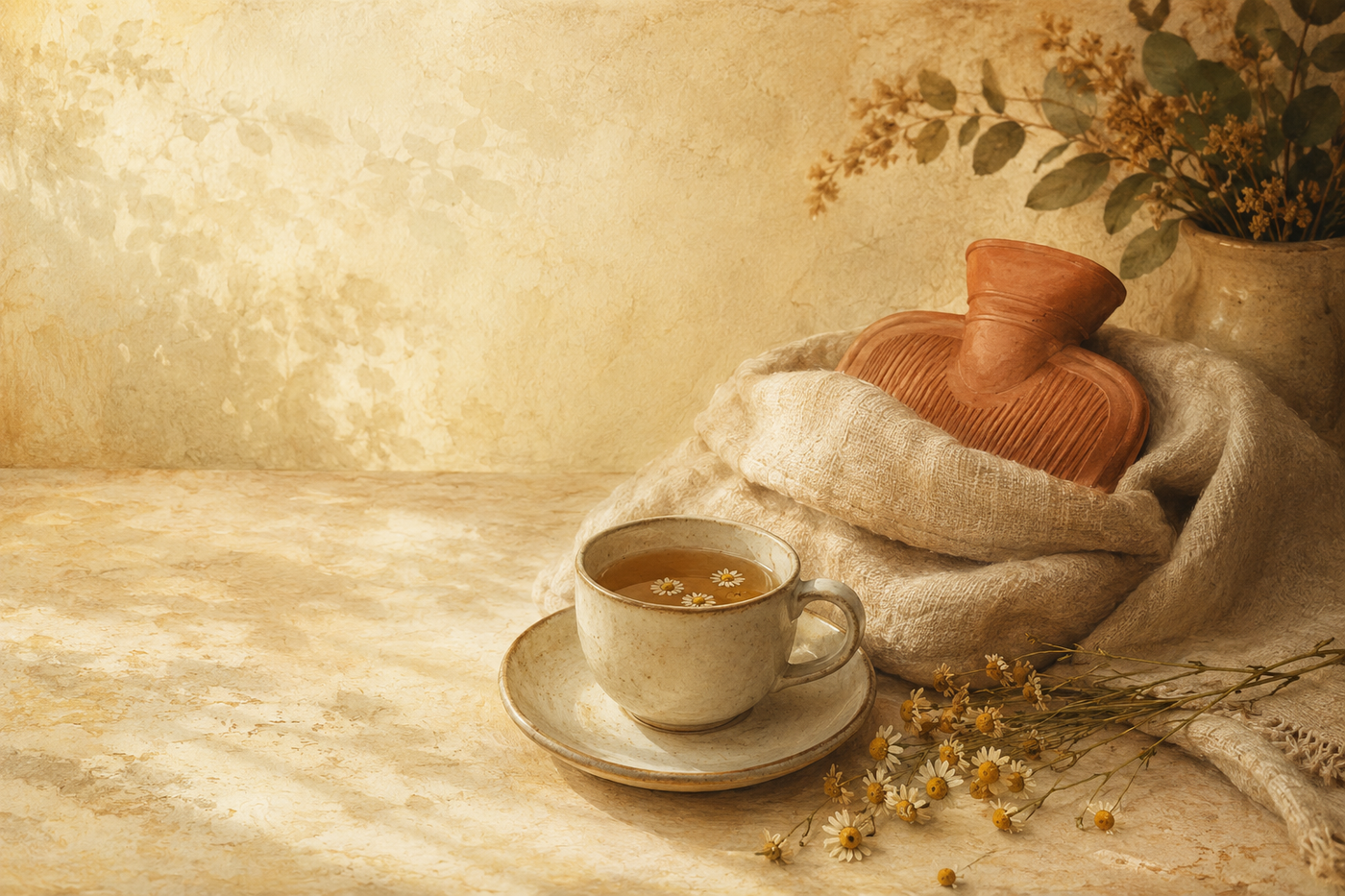
For many people, endometriosis announces itself long before it has a name. There are the periods that arrive like a tide and pull everything under, the days spent curled around a hot-water bottle, the appointments where someone says, gently or otherwise, that bad cramps are simply part of being a woman. By the time the word is finally spoken aloud, a lot of people have been managing the condition, and being quietly disbelieved, for years.
This is a companion piece for anyone in that long middle: newly diagnosed, still searching, or supporting someone who is. It is not medical advice, and it cannot tell you what is happening in your own body. What it can offer is the shape of an experience that millions of people share, drawn from the accounts of those who have lived it.
The long road to a name
Endometriosis occurs when tissue similar to the lining of the uterus grows where it should not, on the ovaries, the bowel, the bladder, the tissue that holds the pelvis together. It is common, affecting roughly one in ten women and people assigned female at birth, and yet diagnosis is often slow. Many people describe years of being told their pain was normal, anxious, or exaggerated before a laparoscopy or a persistent clinician finally connected the dots. That delay is one of the most common threads in the stories we have gathered, and one of the most quietly wounding.
If there is a single thing people wish they had known sooner, it is that pain severe enough to disrupt your life is not something you simply have to endure. It is information, and it deserves to be taken seriously.
More than a bad period
Endometriosis is often described as a period problem, but people who live with it tend to talk about something much larger. There is pain that can arrive at any point in the cycle, not only during bleeding. There is the bone-deep fatigue. There is pain with sex, with bowel movements, with ordinary days. Some people live with bloating they call the endo belly, or with bladder symptoms, or with a low background ache that never fully lifts. And because the visible parts of the body look fine, the suffering is easy for others to miss.
Fertility is part of the picture for some, and the worry about it can be heavy, but it is not the whole story, and many people are tired of endometriosis being discussed only in terms of whether they can have children. The condition shapes work, relationships, plans, and the simple ability to count on your own body from one week to the next.
What people try, and what tends to help
There is no single fix, and what helps one person may do little for another. Still, certain approaches come up again and again. Many people work with a gynaecologist, ideally one with a specific interest in endometriosis, to build a plan rather than chase one miracle. Hormonal treatments help some people quieten symptoms, and are best discussed with a clinician who can weigh the trade-offs for you. For others, keyhole surgery to remove or destroy the tissue brings real relief, though it is not a guaranteed or permanent cure, and people speak honestly about symptoms that return.
Alongside the medical side, people describe smaller things that make the days more livable: heat, gentle movement on the days it is possible, pelvic floor physiotherapy, pacing, and learning the rhythm of their own flares. Pain that has gone on a long time can change how the nervous system behaves, which is why some people are referred to pain specialists rather than being left to cope alone. None of this is a prescription. It is a map of what others have found worth exploring with their own care team.
The weight it carries
What rarely makes it onto a symptom list is the emotional toll: the grief of missed events, the strain on relationships, the guilt of letting people down, the exhaustion of explaining yourself over and over. People describe feeling unreliable when they are simply unwell. Many say the turning point was not only a treatment but being believed, by a partner, a friend, a doctor, or a community of others who recognised the experience instantly. If you have felt alone in this, you are not, and the relief of finding people who understand is something contributors return to again and again.
Being heard
Because diagnosis and good care so often depend on being taken seriously, self-advocacy matters more than it should. Keeping a simple record of your symptoms, being specific about how the pain affects your daily life, and asking directly about referral to a specialist are all things people wish they had done sooner. Our companion piece on how to be heard by your doctor gathers more of that hard-won advice, and if your story also touches on fertility, you may find the accounts in what fertility treatment is really like steadying. Many people with endometriosis also navigate PCOS, and the two are easy to confuse.
If it would help to hear this in other people's voices, our anthology Endo Warriors: Endometriosis Stories collects fifty first-person accounts of living with the condition, from the search for a diagnosis to the long work of building a life around it. You can also explore related stories in our Women's Reproductive Health collection.
This article is a companion, not medical advice. It reflects experiences people commonly describe; your body and your situation are your own. For diagnosis, treatment, and any change to your care, please speak with a qualified clinician who knows your history.
The Reading Room publishes personal stories and editorial notes from our press. Everything here is companion reading — never medical advice, diagnosis, or treatment. For guidance about your own health, please speak with a qualified clinician.