
Transient Global Amnesia: The Terrifying Event That Usually Means Nothing
Transient global amnesia: hours of repetitive questioning, memories evaporating as they land, then complete resolution. The signature, the mandatory emergency workup, and the benign prognosis after.
· By Shashank Bhosale
The press does not currently name a clinical reviewer of record. Read about contributor roles and the review process before using health information. Editors & Contributors.
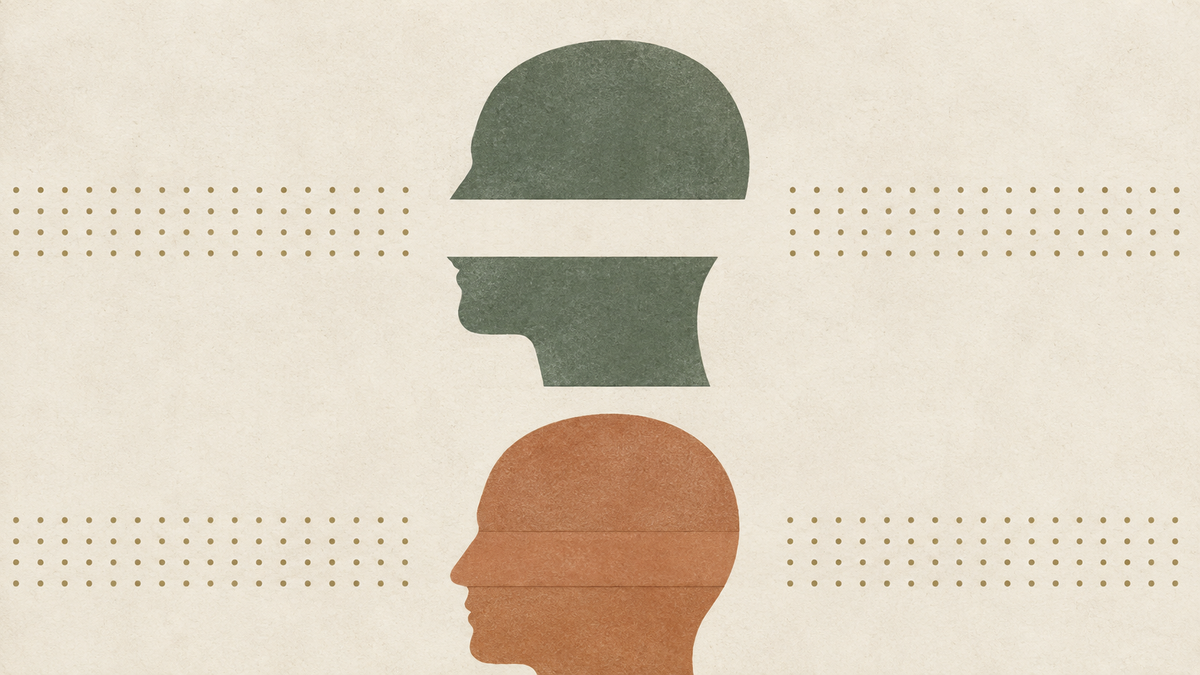
A healthy person in their sixties suddenly cannot form new memories. They know who they are, recognize everyone, drive competently — and ask the same question every ninety seconds, each answer evaporating as it lands: “How did we get here? Is everything all right? How did we get here?” Within hours it resolves completely. Transient global amnesia is one of neurology's best-documented and most theatrical benign events — and because almost no layperson has heard of it, families experience those hours as a stroke, a breakdown, or the first day of dementia.
What an episode looks like
The literature's portrait, confirmed in family accounts: abrupt onset, typically in people in their fifties through seventies; profound inability to store new memories, with repetitive questioning as the unmistakable signature; identity, recognition, and complex skills preserved — people cook, navigate, converse; a patch of hours before the event often lost permanently; and full resolution within twenty-four hours, usually well under. Documented triggers read strangely: sudden cold-water immersion, intense exertion, emotional shocks, certain medical procedures, sometimes sex — and often nothing identifiable at all.
The part that must be said carefully
The diagnosis is one of exclusion made by clinicians, not families: sudden memory disturbance is emergency-department territory every time, because strokes, seizures, and other conditions can masquerade, and only evaluation separates them. The literature's reassurance applies after that workup: confirmed TGA carries a strikingly benign prognosis — recurrence is uncommon, and studies have not shown it to herald dementia or stroke, a sentence families describe needing to hear twice.
Afterward, in families' words
The person remembers nothing of the hours — a permanent hole they describe with more curiosity than distress — while the family carries the memory for both of them, often more shaken than the patient. Veterans of the experience advise: film a minute of the questioning for the doctors if safe to do so, write down when it started, expect your own adrenaline hangover, and file the condition's name somewhere — because knowing it exists is the entire difference between a terrifying mystery and a strange, survivable story.
Fifty first-person accounts of the brain's strange weather live on our Neurological Conditions shelf; start with our neurology reading guide.
Companion reading, not medical advice. Sudden memory disturbance is always an emergency evaluation — the benign diagnosis is the one doctors confirm afterward.
The Reading Room publishes personal stories and editorial notes from our press. Everything here is companion reading — never medical advice, diagnosis, or treatment. For guidance about your own health, please speak with a qualified clinician. Read how we collect and edit patient testimony in our Editorial Standards, or meet the press at The Masthead.
If this piece was useful, the volumes below hold fifty full-length accounts from people who have been through it — the part an article can only summarise.


