
Trigeminal Neuralgia: The Face Pain That Costs People Their Teeth First
Trigeminal neuralgia strikes like facial lightning and routinely costs patients healthy teeth first. The anticonvulsant twist that names it, the compression MRI, and the procedural ladder that works.
· By Shashank Bhosale
The press does not currently name a clinical reviewer of record. Read about contributor roles and the review process before using health information. Editors & Contributors.
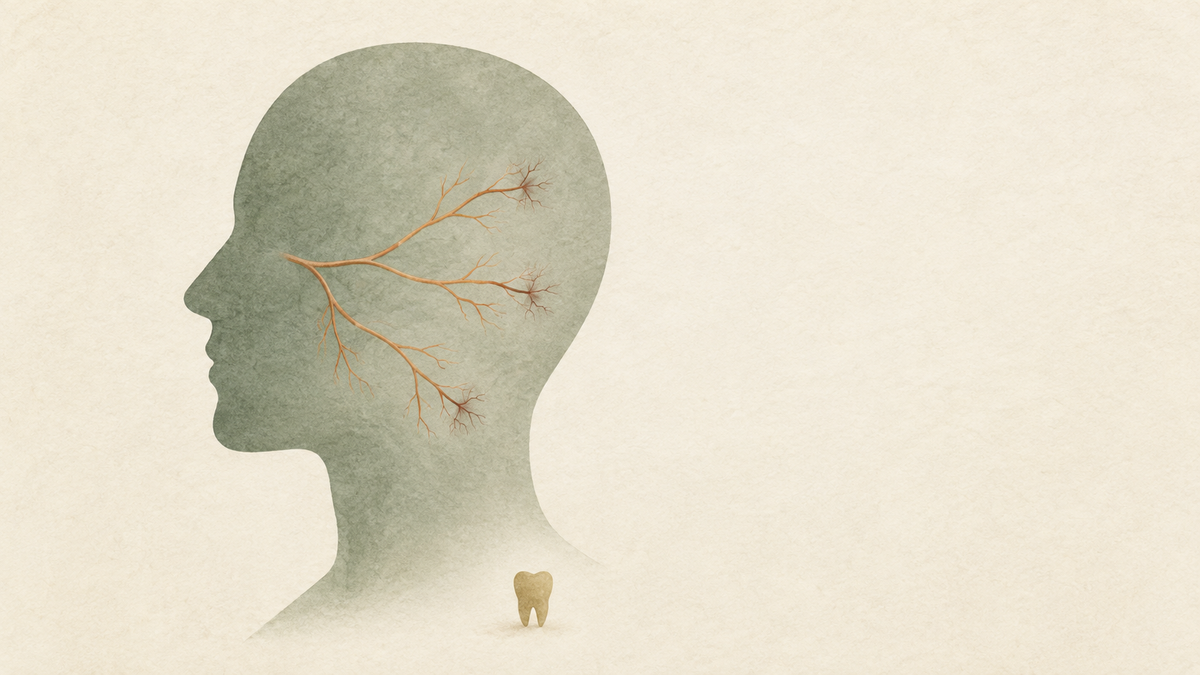
The pain arrives like a lightning strike to one side of the face — seconds of electric agony triggered by brushing teeth, a breeze, chewing, a kiss on the cheek — and then vanishes until the next strike. Trigeminal neuralgia occupies a storied place in the neurology literature, and a notorious one in dentistry's: because the shocks map to the jaw and teeth, the documented first act for many patients is a dental odyssey — fillings, root canals, even extractions of healthy teeth — pursuing a pain that was never dental at all.
The signature that names it
The literature's classic portrait matches the testimony precisely: unilateral, electric, seconds-long volleys along the trigeminal nerve's territory; triggers as light as wind or washing; strike-free intervals between attacks; and remissions that can last months before the condition returns. Patients describe the behavioral fingerprint families notice first — guarding one side of the face, eating on the other, flinching from affection — and the fear of triggers reorganizing daily life.
What the evidence offers, in order
The diagnostic-and-therapeutic twist patients deserve to know: this pain responds to anticonvulsants, not painkillers — carbamazepine and its cousin oxcarbazepine are so characteristically effective that response itself supports the diagnosis, a fact accounts describe learning years too late. MRI looks for the common culprit — a blood vessel compressing the nerve at its root — and for mimics that change the plan. When medication fades or side effects mount, the documented procedural ladder is real and effective: microvascular decompression — moving the offending vessel off the nerve — with the strongest long-term relief rates in the literature; and stereotactic radiosurgery or percutaneous procedures for those avoiding open surgery, trading some durability for lighter intervention.
What veterans want said
Face shocks are a neurology appointment, not a fourth dental opinion; keep a trigger-and-attack diary — it speeds diagnosis; treat remissions as gifts, not cures, and keep the care relationship warm; and know that this condition's reputation for despair belongs to its untreated past — the modern ladder works for most, and anyone overwhelmed by the pain deserves immediate human support while the treatment catches up.
Fifty first-person accounts of neurological pain and its exits live on our Neurological Conditions shelf; our cluster headache piece maps a neighboring agony with its own undeserved obscurity.
Companion reading, not medical advice. Electric facial pain deserves neurological evaluation — and severe distress from any pain deserves immediate support.
The Reading Room publishes personal stories and editorial notes from our press. Everything here is companion reading — never medical advice, diagnosis, or treatment. For guidance about your own health, please speak with a qualified clinician. Read how we collect and edit patient testimony in our Editorial Standards, or meet the press at The Masthead.
If this piece was useful, the volumes below hold fifty full-length accounts from people who have been through it — the part an article can only summarise.


