
Stroke Recovery: An Honest Companion
Recovery after a stroke is rarely a straight line. What the early days are like, how rehabilitation works, and what people find genuinely helps over time.
April 21, 2026 · By The Editors, Healing Stories Network · 3 min read
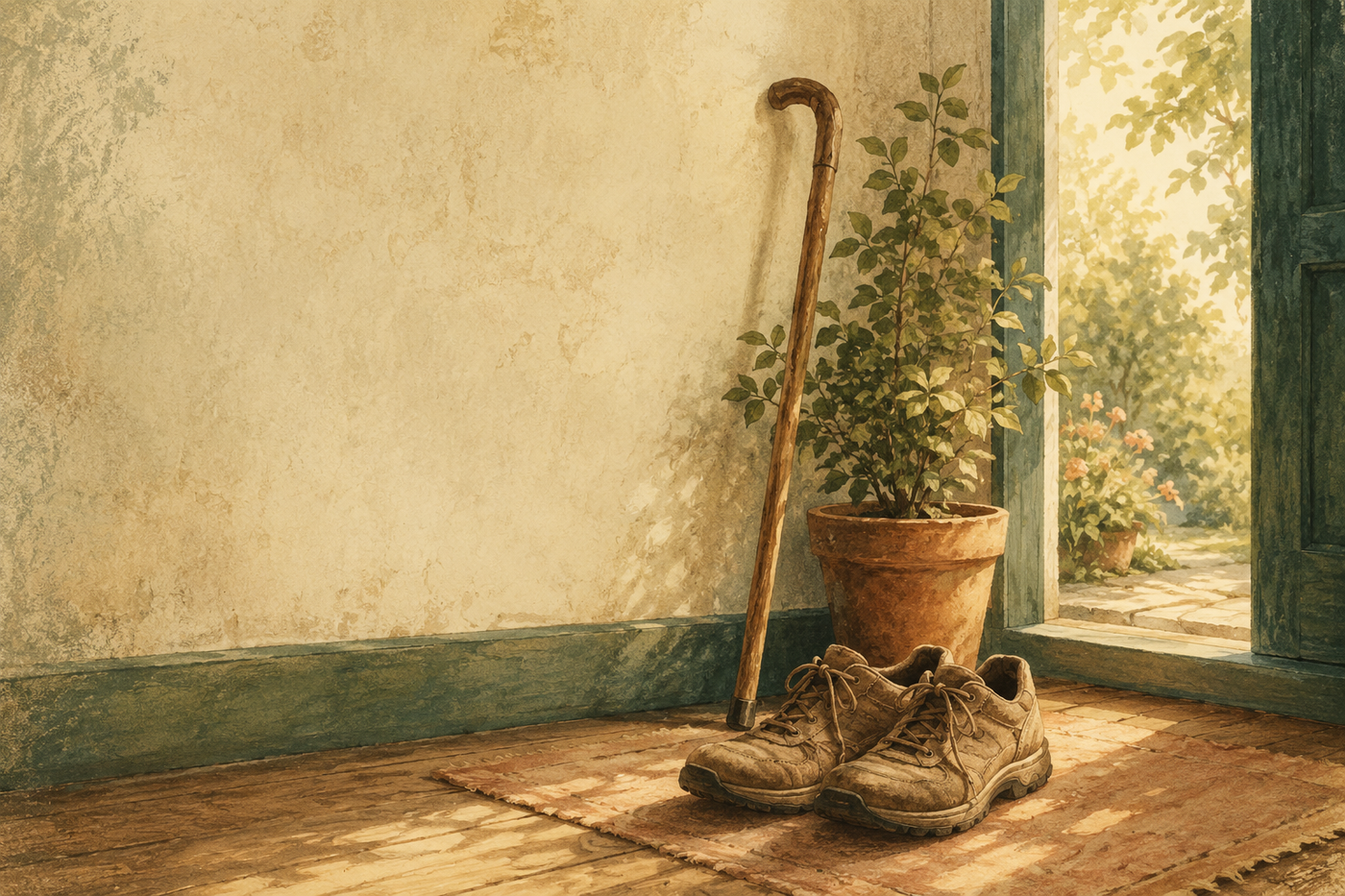
A stroke can change a life in minutes, and the recovery that follows is rarely a straight line. People describe a strange new landscape: relearning movements that were once automatic, finding words that will not come, and adjusting to a body and a pace that feel unfamiliar. Alongside the physical work runs a quieter emotional current that outsiders often miss.
This is a companion piece for stroke survivors and the people who care for them. It is not medical advice. It is an honest account of what recovery is actually like and what people have found helpful, drawn from many who have lived it. First, though, a word that matters for everyone.
A stroke is an emergency: act FAST
A stroke happens when the blood supply to part of the brain is cut off, and time is critical, because faster treatment can mean less lasting damage. The widely taught reminder is FAST: Face drooping, Arm weakness, Speech difficulty, Time to call emergency services immediately. Other sudden signs include numbness on one side, confusion, trouble seeing, severe headache, or loss of balance. If you suspect a stroke in yourself or anyone else, do not wait to see if it passes; call for emergency help at once. This is the one part of this piece that is not about the long view but about the next few minutes.
The early days
In the beginning, many people describe a fog of exhaustion and uncertainty, and a flood of unfamiliar information. Strokes differ enormously depending on which part of the brain is affected, so no two recoveries look alike; one person works on walking, another on speech, another on swallowing or vision or memory. People often speak of profound fatigue in this period, more than ordinary tiredness, and of how much rest the recovering brain seems to need. Knowing that this stage is normal, and that early progress can be rapid, is something survivors say helped them hold on.
How rehabilitation works
Rehabilitation is the heart of recovery, and people describe it as patient, repetitive, and quietly heroic work, often with a team of physiotherapists, occupational therapists, and speech and language therapists. The brain has a real capacity to adapt and rewire, which is why practice matters so much, and why people are encouraged to keep working at the edge of what they can do. Progress is often fastest early on but can continue for a long time, and contributors are clear that plateaus are not the end of the road. Many speak of the importance of small, stubborn daily efforts, and of celebrating gains that an outsider might not even notice.
The emotional side
What surprises many survivors is how much of recovery is emotional. Low mood and depression are common after a stroke, partly as a reaction and partly because of the effects on the brain itself, and so is anxiety about another stroke. People describe grief for the life they had, frustration at new limits, and the strain on identity and relationships. Naming this, and seeking support for it, is something contributors wish they had done sooner; our companion piece on living with depression speaks to much of it. Self-advocacy matters too, and our piece on how to be heard by your doctor gathers advice many found useful in navigating care and rehab.
The long view, and prevention
Recovery often continues for years, in ways large and small, and many people rebuild rich and meaningful lives. Reducing the risk of another stroke becomes part of the picture too, usually involving blood pressure, lifestyle, and any underlying conditions, all guided by the medical team. Because the cardiovascular system is so central, people sometimes find common ground in our piece on what to expect after heart surgery. None of this is a prescription; it is the territory others have travelled with their own clinicians.
If it would help to hear from others who have walked this road, our anthology Stroke of Luck: Stroke Recovery Stories gathers fifty first-person accounts of recovery, in all its slow and stubborn reality. You can also explore more in our Neurological Conditions collection.
This article is a companion, not medical advice, and nothing in it should delay emergency care. A suspected stroke is a medical emergency: call your local emergency number immediately. For recovery and prevention, please work with the qualified clinicians who know your history.
The Reading Room publishes personal stories and editorial notes from our press. Everything here is companion reading — never medical advice, diagnosis, or treatment. For guidance about your own health, please speak with a qualified clinician.