
Continuous Ketone Monitors: What Early Adopters Report
Continuous ketone monitors bring CGM-style curves to ketosis. Early adopters describe what the data teaches, what annoys them, and who actually benefits.
· By Shashank Bhosale
The press does not currently name a clinical reviewer of record. Read about contributor roles and the review process before using health information. Editors & Contributors.
Continuous glucose monitors made metabolic data mainstream. The newest arrivals go one step further: continuous ketone monitors, worn like a CGM, streaming ketone levels to a phone all day. They emerged from diabetes safety research and have been adopted fastest by an entirely different crowd — people doing ketogenic diets, therapeutic fasting, and metabolic self-experiments.
What the device actually shows
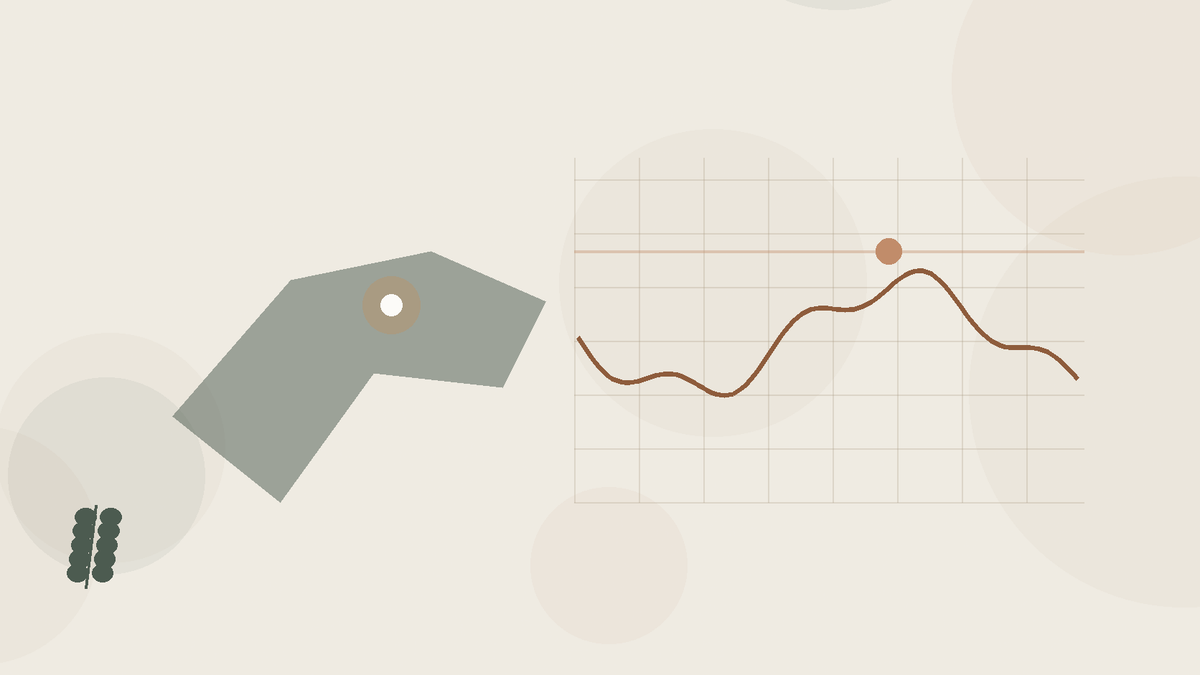
Fingerstick ketone meters give snapshots; a continuous monitor draws the curve. Wearers describe finally seeing what meals, workouts, sleep, and stress do to ketosis in real time — the slow overnight climb, the abrupt exit after a hidden-carb meal, the delayed return that fingersticks always missed. For people using ketogenic therapy under medical guidance, including for epilepsy, the appeal is obvious: fewer needle sticks and no blind spots.
What people report after the novelty
The arc many describe is familiar from CGMs: obsession, then calibration, then selective use. Early weeks involve checking the app constantly and chasing numbers. Later, most settle into using the monitor for specific experiments — testing a new eating window, validating a training block — rather than wearing it perpetually. Skin irritation, sensor cost, and occasional wonky readings are the recurring complaints; the recurring praise is that the curve teaches lessons a meter never could.
Worth it?
People deep in metabolic therapy tend to call it transformative. Casual keto dieters often conclude a periodic fingerstick was enough. The honest takeaway from early adopters: the device is a teacher more than a scorekeeper, and the best users graduate from it.
Our anthology Tracking Ketones: Continuous Ketone Monitor Stories collects fifty first-person accounts from early adopters. Browse the Wellness & Biohacking shelf for related titles, or start with our guide to wellness reading.
Companion reading, not medical advice. Ketogenic therapy for medical conditions should be supervised by a clinician.
The Reading Room publishes personal stories and editorial notes from our press. Everything here is companion reading — never medical advice, diagnosis, or treatment. For guidance about your own health, please speak with a qualified clinician. Read how we collect and edit patient testimony in our Editorial Standards, or meet the press at The Masthead.
If this piece was useful, the volumes below hold fifty full-length accounts from people who have been through it — the part an article can only summarise.


