
Weighted Vest Walking: What the Trend Actually Does
Weighted vest walking became a midlife health trend. Wearers describe the intensity payoff, the start-too-heavy mistake, and where the bone-density evidence actually stands.
· By Shashank Bhosale
The press does not currently name a clinical reviewer of record. Read about contributor roles and the review process before using health information. Editors & Contributors.
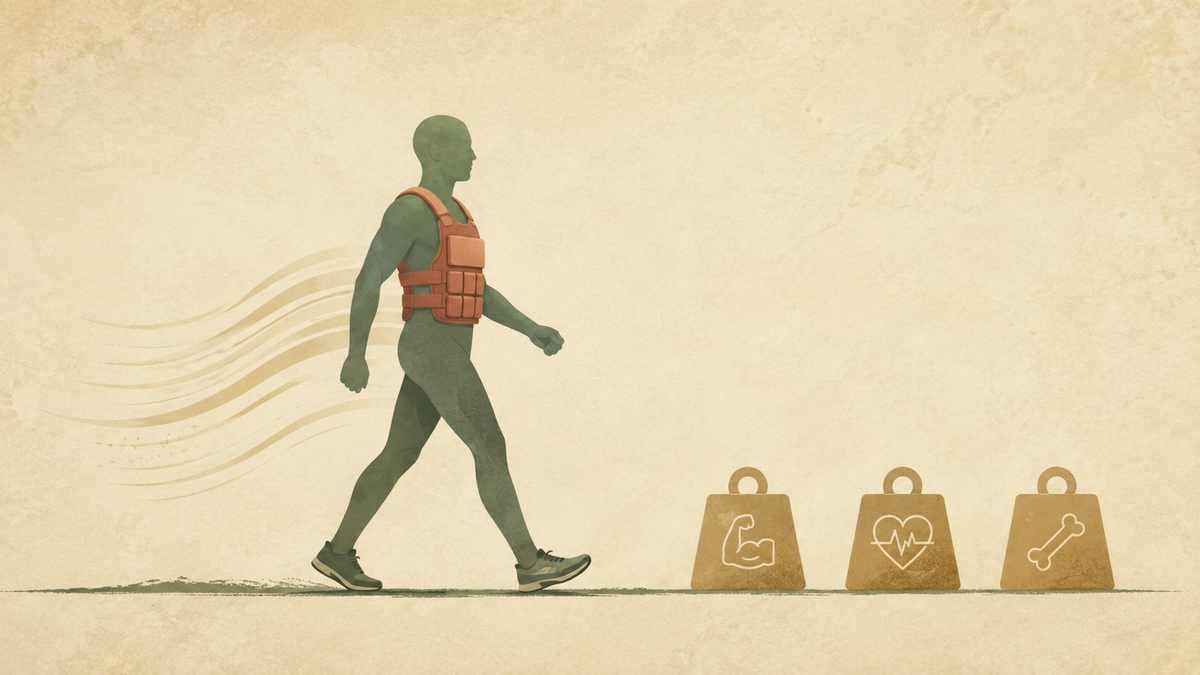
The weighted vest has escaped the military workout niche and become, improbably, a mainstream health trend — driven largely by midlife women adding load to daily walks after hearing that bones and muscles respond to weight they are asked to carry. As with most trends, the truth people discover by doing it is more modest and more interesting than the pitch.
Why the trend found its audience
The logic that draws people in: bone density and muscle respond to mechanical load; walking is the exercise people actually sustain; a vest marries the two without a gym. Menopause-era bone loss gave the idea urgency, and wearers describe the appeal of upgrading a habit they already had rather than building a new one.
What wearers actually report
The consistent short-term testimony: walks feel meaningfully harder — heart rate up, posture muscles engaged, a satisfying fatigue that plain walking stopped delivering. People describe starting too heavy as the classic error; experienced users begin around five to ten percent of body weight and climb slowly. Complaints cluster predictably: shoulder pressure and chafing from cheap vests, lower-back grumbling when loads jump, and the discovery that a vest aggravates existing knee, hip, or spine issues that unloaded walking had tolerated.
The honest expectation-setting
On the outcomes that drive the trend — bone density above all — the direct evidence for vest walking alone is thinner than the enthusiasm, and stronger for programs that combine load with resistance training and impact. The people most satisfied describe the vest as an intensity dial on a beloved habit and a gateway into lifting — not a substitute for it.
First-person accounts of training, aging, and rebuilding strength live on our Fitness & Exercise Recovery shelf; start with our fitness reading guide.
Companion reading, not medical advice. Existing joint, spine, or heart conditions deserve a check before adding load.
The Reading Room publishes personal stories and editorial notes from our press. Everything here is companion reading — never medical advice, diagnosis, or treatment. For guidance about your own health, please speak with a qualified clinician. Read how we collect and edit patient testimony in our Editorial Standards, or meet the press at The Masthead.
If this piece was useful, the volumes below hold fifty full-length accounts from people who have been through it — the part an article can only summarise.


