
Nociplastic Pain: The Third Kind of Pain Nobody Explained to You
Pain science formally recognized a third category — nociplastic pain, the sensitized alarm system — and patients were never told. Why the reframe changes treatment, in their words.
· By Shashank Bhosale
The press does not currently name a clinical reviewer of record. Read about contributor roles and the review process before using health information. Editors & Contributors.
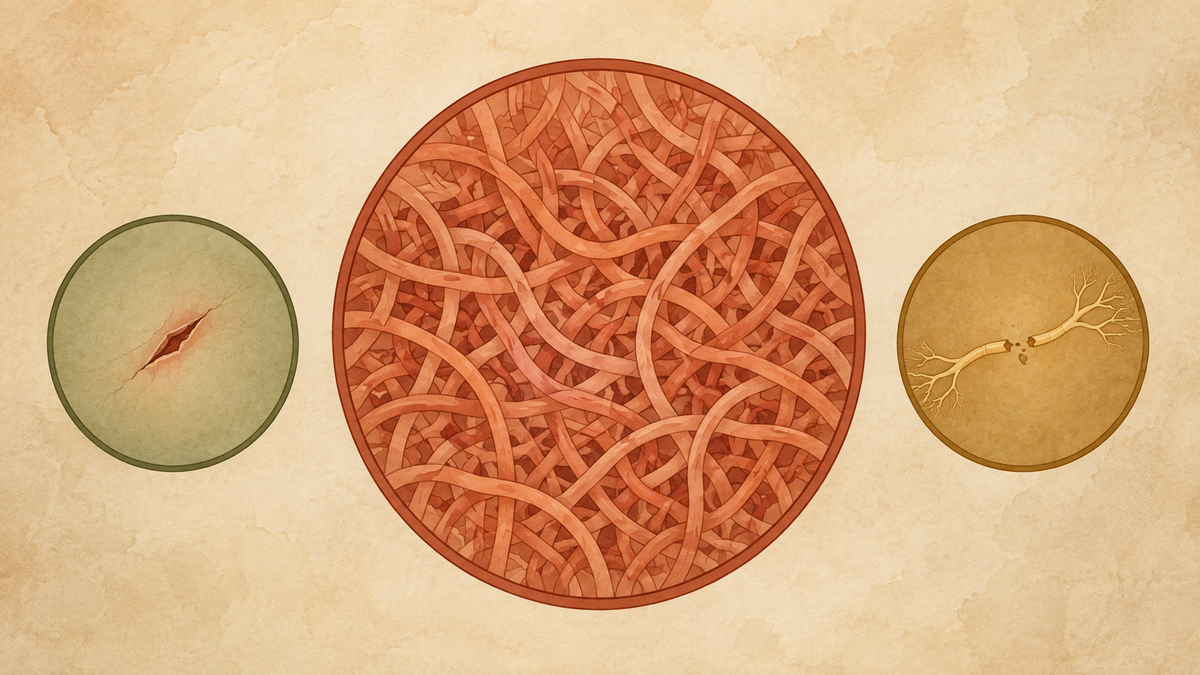
Pain science quietly reorganized itself, and almost nobody outside the journals noticed. Alongside pain from tissue damage and pain from nerve damage, the field formally recognized a third kind: nociplastic pain — pain generated by a sensitized nervous system itself, turning up the gain on signals long after tissues have healed, or without identifiable injury at all. For the millions living with pain that scans cannot explain, it is the most important reframing they have never been offered.
The alarm system, resensitized
The research model, translated: chronic pain can train the spinal cord and brain to amplify — volume knobs stuck high, danger detection oversensitive — so that light touch hurts, aches spread beyond original borders, and flare-ups follow stress and poor sleep as reliably as exertion. Fibromyalgia is the canonical example, but the literature finds nociplastic features threaded through chronic low back pain, tension headache, irritable bowel, pelvic pain, and the pain that outlives healed injuries. Patients describe the explanation landing in two stages: suspicion — it sounds like being told it's imaginary — then relief, because sensitization is physiology, measurable in research settings, and nobody's fault.
Why the category changes treatment
Because amplifier problems respond poorly to speaker repairs. The literature is fairly blunt: for predominantly nociplastic pain, repeat imaging, escalating opioids, and surgeries chasing incidental findings underperform — while the treatments that retrain the system show the most consistent benefit: graded, paced movement that expands tolerance without triggering flare cycles; sleep treated as a clinical priority, since short nights measurably amplify next-day pain; therapies aimed at the threat response — including modern pain reprocessing approaches with encouraging trial results; and medications chosen for central pain rather than inflammation.
What patients say made the difference
A clinician who explained the mechanism without the word “just”; progress measured in function — stairs, sitting through dinners — rather than pain scores alone; and abandoning the search for the one hidden injury in favor of training the system that hurts.
Fifty first-person accounts of pain that outlasted its explanations live on our Chronic Pain & Fibromyalgia shelf; start with our chronic pain reading guide.
Companion reading, not medical advice. Pain classification and treatment planning belong with clinicians — and new or changing pain always deserves proper evaluation first.
The Reading Room publishes personal stories and editorial notes from our press. Everything here is companion reading — never medical advice, diagnosis, or treatment. For guidance about your own health, please speak with a qualified clinician. Read how we collect and edit patient testimony in our Editorial Standards, or meet the press at The Masthead.
If this piece was useful, the volumes below hold fifty full-length accounts from people who have been through it — the part an article can only summarise.


