Hemochromatosis: The Common Genetic Disease Nobody Tests For
Hemochromatosis quietly overloads the body with iron behind fatigue, aching knuckles, and “good tans.” Two cheap tests find it, phlebotomy treats it, and families inherit the warning.
· By Shashank Bhosale
The press does not currently name a clinical reviewer of record. Read about contributor roles and the review process before using health information. Editors & Contributors.
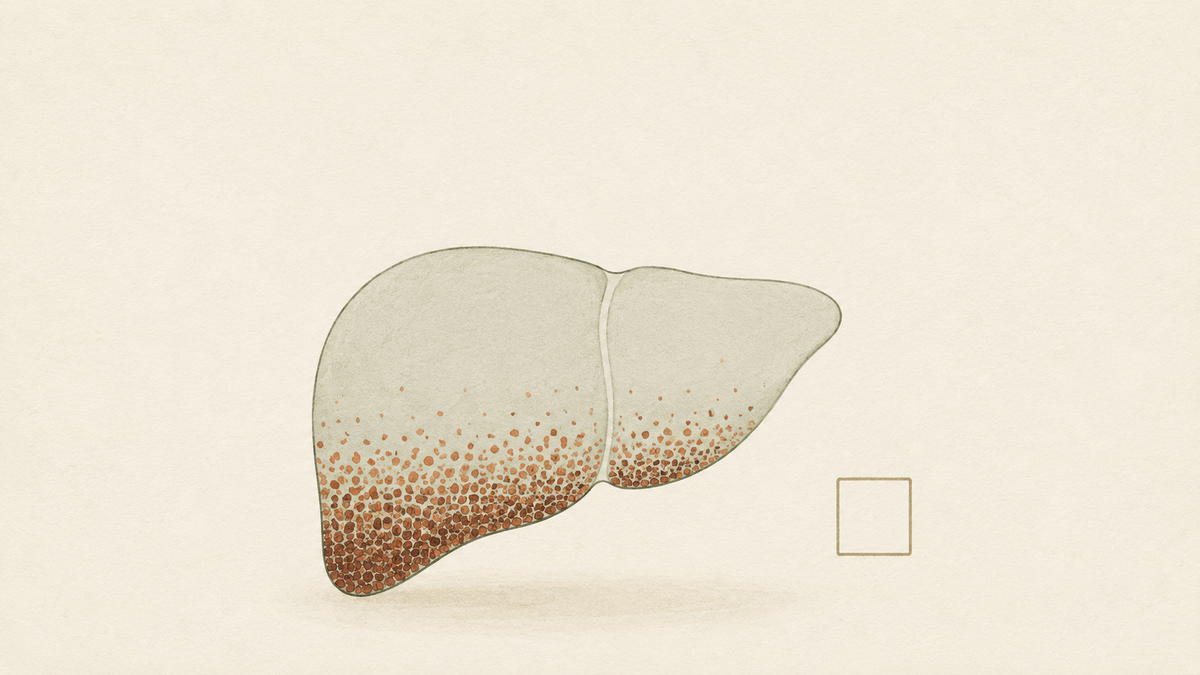
The most common serious genetic condition in people of Northern European descent is one most carriers have never heard of. Hereditary hemochromatosis — the body absorbing too much iron, decade after decade, until it accumulates in liver, joints, pancreas, heart, and skin — sits in the literature with prevalence figures that would embarrass rarer, more famous diseases, alongside a documented pattern: vague symptoms dismissed for years while the treatable window quietly narrows.
The disguises it wears
The accounts and the textbooks list the same masks: fatigue attributed to age or stress; joint aches — characteristically the knuckles of the index and middle fingers, an “iron fist” clue the literature loves and clinics miss; libido and mood flattening as hormones falter; blood sugar drifting toward diabetes; liver enzymes mildly elevated and shrugged at; skin bronzing read as a good tan. Men typically present earlier; women, protected for decades by menstrual iron loss, often surface after menopause. Patients describe the diagnosis finally arriving via a curious clinician ordering two cheap tests — ferritin and transferrin saturation — followed by genetic confirmation, and the vertigo of learning the answer had been a blood panel away for years.
The treatment that sounds medieval and works
Therapeutic phlebotomy — scheduled blood removal, the body forced to spend its iron hoard making replacement cells — remains the documented cornerstone: an induction phase of frequent draws until ferritin falls to target, then maintenance a few times a year, in many places doubling as blood donation. Patients describe the de-ironing arc honestly: fatigue and joint symptoms improve for many, though established arthritis is the symptom most reluctant to reverse — the strongest argument, echoed across accounts, for catching the condition before damage compounds. Caught early, the literature's reassurance is real: normal life expectancy, organs protected.
The family paragraph
This is a diagnosis that ripples: first-degree relatives merit testing, and accounts describe the strange gift of one person's diagnosis catching siblings' disease a decade earlier. Veterans' practical notes: skip iron supplements and iron-fortified enthusiasm, moderate alcohol for the liver's sake, ask about vitamin C timing, and keep the maintenance schedule boring and unbroken.
Fifty first-person accounts of metabolic discoveries live on our Hormonal & Metabolic Health shelf; our MASLD piece covers the neighboring liver territory.
Companion reading, not medical advice. Unexplained fatigue, joint pain, or liver findings — especially with Northern European ancestry — justify asking about iron studies.
The Reading Room publishes personal stories and editorial notes from our press. Everything here is companion reading — never medical advice, diagnosis, or treatment. For guidance about your own health, please speak with a qualified clinician. Read how we collect and edit patient testimony in our Editorial Standards, or meet the press at The Masthead.
If this piece was useful, the volumes below hold fifty full-length accounts from people who have been through it — the part an article can only summarise.